Typical process
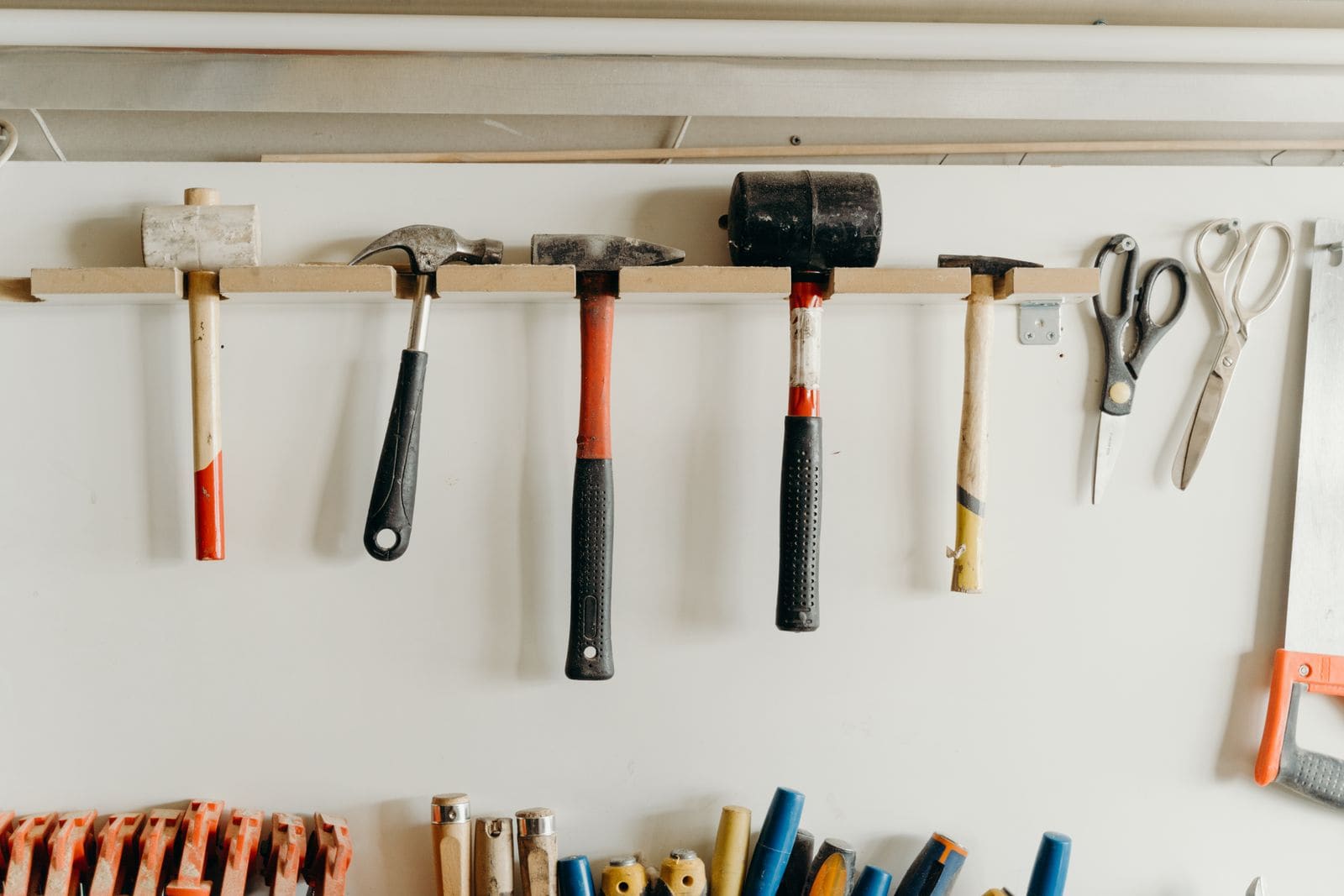
DIY-store goods after a range change
Tools and accessories from discontinued lines, palletised in original packaging: how the lot is described and sold.
A typical process for orientation, not a customer project. Quantities, condition and timing differ from lot to lot.
Starting point
A DIY retailer is changing its range. Discontinued tool and accessory lines remain, stored on pallets in their original packaging. The shelf space is needed for the new range, so the old stock has to go.
A typical lot
- Hand tools and power tools from discontinued series
- Accessories and consumables
- Original packaging, palletised
- Full and part pallets, counted by the pallet
How the process runs
- 01
Enquiry by pallet
The retailer lists what is on each pallet: product type, brand, approximate number of units and packaging. Photos of the pallets complete the picture.
- 02
Valuation and offer
A non-binding valuation arrives within 24 hours. The price is agreed and recorded in writing, along with any sales restrictions.
- 03
Payment after invoice
After invoicing, payment is made by bank transfer within 48 hours.
- 04
Collection
Collection takes place within 3 working days of the agreement. Because the goods are already palletised, loading is straightforward. Transport is included.
What matters
- Keep the goods in original, undamaged packaging. This supports resale.
- State which lines are discontinued and whether the goods are new.
- Give the quantity per pallet, even if only approximately.
- Mention brand restrictions, if any, at the start.
Questions about this scenario
As a rule we buy from one pallet. Describe what you have and we assess it individually.
Yes. New goods in original packaging are the easiest to resell. If packaging is damaged or goods have been opened, say so.
Related purchase pages
More scenarios
All examples Cosmetics · Surplus stockCosmetics surplus stock with best-before datesSealed cosmetics with a limited shelf life: batch numbers and best-before dates decide how quickly the lot needs to move.
 Footwear · Special lotsShoe collections at the end of the seasonSize runs, cartons and seasonal stock: how a footwear retailer sells a collection as a special lot after the season.
- Forklift trucks · Warehouse clearanceForklift trucks from a warehouse clearanceIndividual machines rather than pallet goods: year, operating hours and inspection records shape the valuation. Loading takes place on site.
Enquiry
Do you have a similar lot?
Send us your enquiry. You will receive a non-binding valuation within 24 hours.