Typical process
Shoe collections at the end of the season
Size runs, cartons and seasonal stock: how a footwear retailer sells a collection as a special lot after the season.
A typical process for orientation, not a customer project. Quantities, condition and timing differ from lot to lot.
Starting point
A footwear retailer has stock from the past season left over. The shoes are in their boxes, with some size runs complete and others broken. The next collection is arriving, so the shelves have to be cleared.
A typical lot
- Seasonal footwear in original boxes
- Complete and broken size runs
- Different models and colours
- Branded goods with possible sales restrictions
How the process runs
- 01
Enquiry with sizes and models
The retailer sends a list by model, size and quantity, or a rough breakdown by size range, plus photos of the cartons.
- 02
Valuation and offer
Within 24 hours there is a non-binding valuation. The seasonal goods are assessed as a whole lot; price and brand restrictions are recorded in writing.
- 03
Payment after invoice
Once the retailer has issued the invoice, payment follows by bank transfer within 48 hours.
- 04
Collection
Collection is arranged within 3 working days of the agreement, with transport included. The cartons are collected on pallets or loose, as they are stored.
What matters
- The more complete the size runs, the easier the lot is to resell. State any gaps openly.
- Keep the shoes in their original boxes with labels attached.
- Say whether the goods are from the current or an earlier season.
- State brand and market restrictions at the start.
Questions about this scenario
No. Broken size runs are common at the end of a season. Simply describe what is there.
Yes. You can state sales restrictions, for example that the goods must not be offered in particular markets. They are recorded in writing and passed on to buyers.
Related purchase pages
More scenarios
All examples- Forklift trucks · Warehouse clearanceForklift trucks from a warehouse clearanceIndividual machines rather than pallet goods: year, operating hours and inspection records shape the valuation. Loading takes place on site.
 Tools · B-stockTool sets with damaged packagingFully functional tool sets in damaged boxes: a typical B-stock lot, described with photos and a unit count.
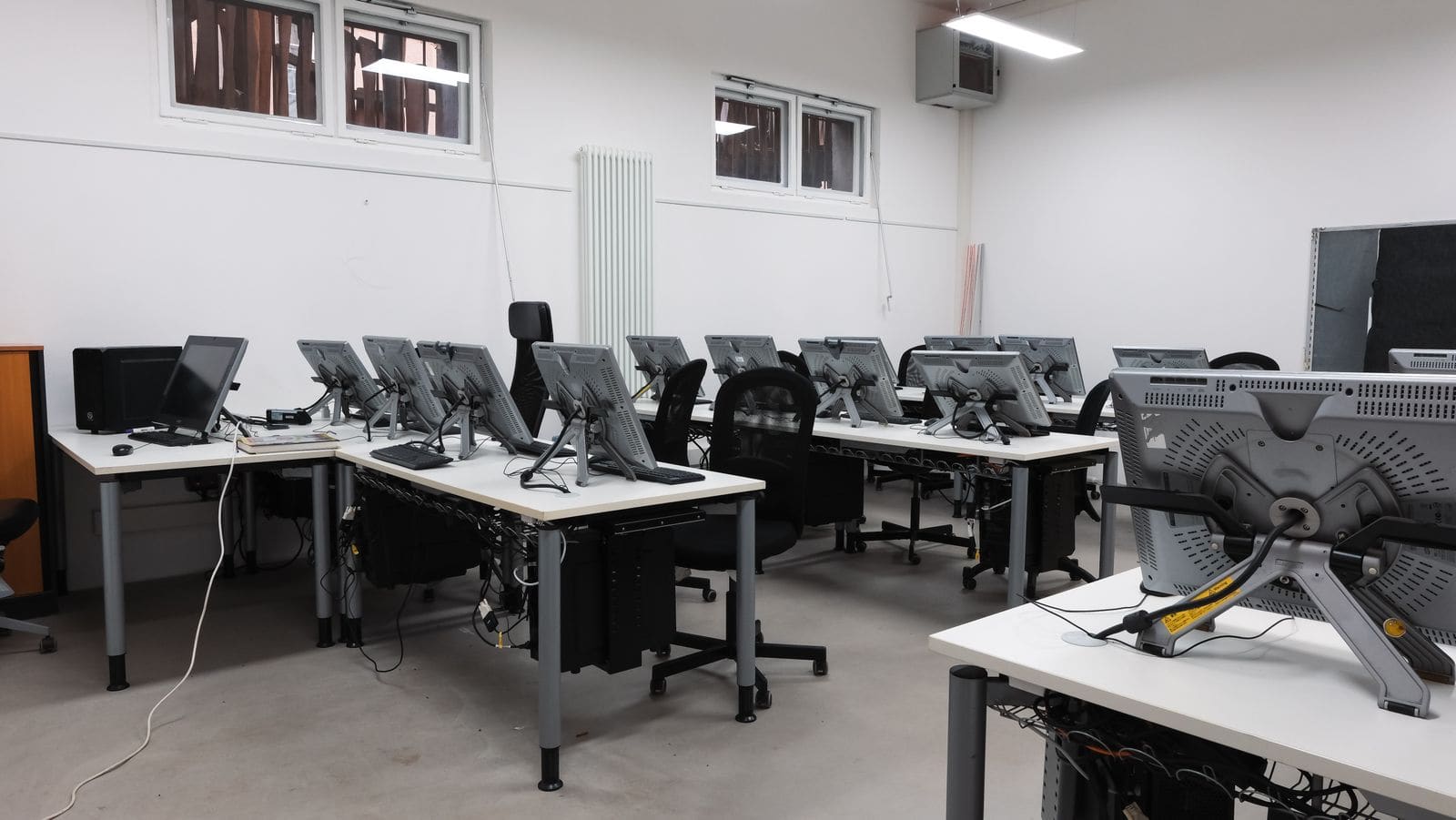 IT hardware · Surplus stockMonitors and PCs after an equipment refreshIdentical office monitors and PCs from a hardware refresh: serial number list, condition and accessories, with data erasure handled by the seller.
Enquiry
Do you have a similar lot?
Send us your enquiry. You will receive a non-binding valuation within 24 hours.